Vending Safety Glasses: Stock Control
Stock control for safety glasses: supplier rules, rotation, replenishment triggers and recall handling.
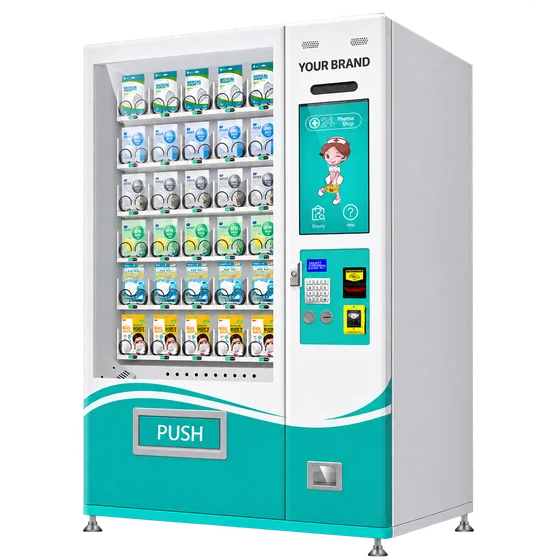
Illustrated FCV configuration. View FCV-D720-10C(22SP) PPE Vending Machine. Confirm product fit and supplied options in your quotation.
- Compatibility testing first
- Packaging and size rules
- Pilot before full rollout
Indicative model — the final machine is confirmed after a site survey or compatibility test.
A machine that dispenses safety glasses is only half the job — keeping it stocked correctly is the other half, and it is where packaging protection really bites. This page covers stock control for safety glasses: supplier and receipt checks, rotation, replenishment triggers and what happens when a batch needs pulling.
Stock rules for safety glasses
Stock control starts at the supplier door. For safety glasses, the checks that matter most relate to packaging protection — they are defined before the first fill, not improvised later.
Supplier qualification
Approved supplier and specification agreed in writing — substitution rules included.
Receipt checks
Condition, date codes and temperature on arrival where the product requires it.
Storage
Correct holding conditions between receipt and machine loading.
Rotation and expiry discipline
First-in-first-out, every visit, no exceptions. Expiry dates are checked at loading and on every restock; short-dated stock is flagged rather than vended. Where the product category demands it — food, safety items, regulated goods — the rotation log is part of the site record.
Replenishment triggers
Restocking follows sales data, not a calendar guess — telemetry shows channel levels and the visit schedule flexes with real velocity. For safety glasses, packaging protection may set a minimum stock floor or a maximum hold time; both go into the operating plan.
When a batch has to come out
If a product is recalled, expired or fails a check, the removal process is defined: the channel is flagged, stock is pulled on the next visit — or immediately where safety requires — and the incident is logged in the service record.
Protect lenses while retaining product identity
Keep the approved glasses model and supplier safety information connected to its packaged stock. A soft pouch and a rigid protective case should not be treated as interchangeable refill units.
- Inspect lens protection, arms and outer packaging when accepting deliveries.
- Keep damaged or returned glasses outside sale or issue stock while they are reviewed.
- Confirm how the site approves an alternative model before replacing the original SKU.
Machines commonly used to dispense safety glasses
Indicative models — the final recommendation follows a site survey and dispensing tests.


Machine guide / FCV-M072
Six-layer spring-slot cabinet and drop check
The exact D720 parameter documents six layers with ten spring slots per layer. The page separately illustrates a guarded PUSH collection opening and infrared drop inspection.
- Published slot configuration
- The matching parameter explicitly says 6 layers*10 slots spring. Lane widths and product depths still require the selected configuration.
- Collection path
- Products are delivered to the guarded lower pickup area; the source illustrates infrared drop detection.
- Check the package against the configured spring slot.
- Select and pay through the configured interface.
- The spring slot releases the product towards the lower pickup area.
- Collect through the PUSH door after delivery indication.
Frequently Asked Questions
Related Pages
Request a Product Feasibility Review
Send samples and site details — we test dispensing compatibility and report what your product needs to vend reliably.
Project enquiry · Ownership and service terms confirmed in writing