Vending Operations Plan for Call Centres
Restocking rhythm, complaints handling, fault escalation and monthly reporting for machines at call centres.
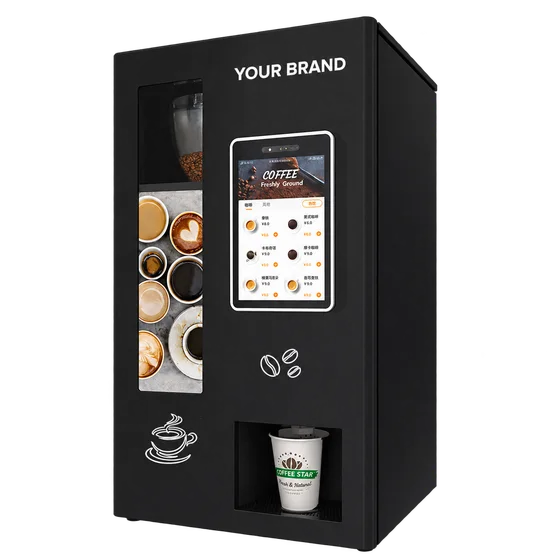
Illustrated FCV configuration. View FCV-NCF-4N(V10.1) Coffee Vending Machine – 10.1 inch. Confirm product fit and supplied options in your quotation.
- Restocking rhythm
- Fault escalation path
- Monthly reporting
Indicative model — the final machine is confirmed after a site survey or compatibility test.
Once a machine is live at call centres, the service plan decides whether it stays an asset or becomes a complaint magnet. This page shows how ongoing operations work: the restocking rhythm shaped by break synchronisation and overnight staffing, how complaints and faults are handled around fixed breaks and overnight shifts, and what a monthly report should contain under fully managed vending.
A service plan shaped for call centres
In UAE workplaces, vending earns its place when it saves people time during short breaks and covers the hours when canteens, cafeterias and nearby cafes are closed — attendance patterns and landlord permissions shape what is possible. Servicing at call centres is planned around two realities: demand (break synchronisation and overnight staffing) and access (fixed breaks and overnight shifts). The plan sets visit frequency, visit timing and the escalation route — and it is written down, not improvised.
Restocking rhythm
Frequency from data
Visit intervals set by actual sales velocity at call centres, adjusted after the first weeks.
Timing around peaks
Restocking before demand peaks in break synchronisation and overnight staffing, not during or after them.
Expiry discipline
First-in-first-out rotation and expiry checks on every visit.
Range updates
Slow sellers swapped and fast movers expanded on the monthly review.
Complaints and refunds
Every machine carries a contact route for users. Under fully managed vending FCV handles complaints and refund processing as part of the agreed scope; under self-operation that responsibility is yours and needs its own process — a failed vend ignored is a customer lost and, worse, a reputation problem with your site's population.
Faults and escalation
Detection
Telemetry flags jams, temperature drift and payment faults — often before anyone calls.
Response
Fault response within the agreed service level, confirmed in your contract.
Escalation
A defined route for repeat faults or downtime that breaches the agreed levels.
Access
Engineer visits scheduled around fixed breaks and overnight shifts — agreed access windows prevent failed visits.
What a monthly report should contain
Gross sales
The contract-defined monthly gross-sales figure and the agreed revenue-share rate for the fully managed arrangement.
Owner share
The actual agreed revenue-share percentage, eligible sales figure and resulting payment.
Top and bottom sellers
What sold, what did not, and what range changes follow.
Service record
Visits, restocks, faults and complaints handled during the period.
Machines commonly shortlisted for call centres
Indicative models — the final recommendation follows a site survey and dispensing tests.


Machine guide / FCV-M089
Mini-coffee ingredients and cup area
Coffee components are not snack trays.
- Bean hopper
- 1.2 kg feeds the documented grinder.
- Instant ingredients
- Two 4 L plusone 2 Lcanisters; no mandatory powder allocation.
- Serving and waste
- Cup recess and waste bucket labelled; no numerical automatic cup-stack capacity established.
- Place the approved cup as required by the supplied configuration.
- Select a configured beverage.
- Collect the drink and maintain components according to the actual manual.
Frequently Asked Questions
Related Pages
Discuss a Site Service Plan
Book a site assessment for your call centres location — we survey demand, placement and permissions and send a written proposal covering the three operating arrangements.
Project enquiry · Ownership and service terms confirmed in writing