What Owned Machines Can Earn | Realistic Ranges
No promises — the drivers of machine sales, indicative ranges, and the questions that decide your actual number.
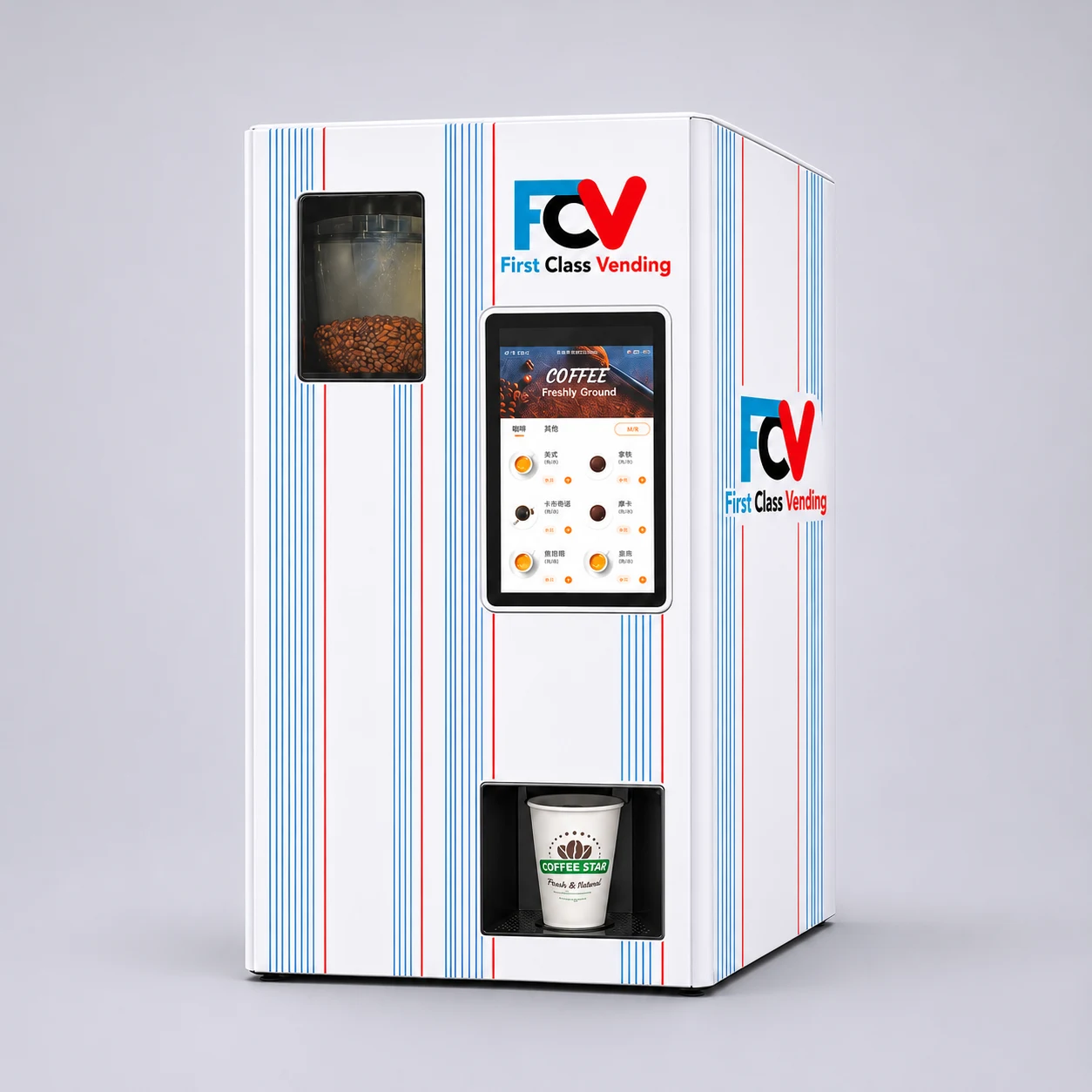
- You own the equipment outright
- FCV places and operates under agreed scope
- Eligible arrangements pay up to 25% of contract-defined monthly gross sales, under agreed terms
Earnings come down to one variable: how much your machines sell. That depends on footfall, captivity and product fit — which is why we quote ranges after a review, not a headline figure. The numbers below are indicative ranges drawn from how machines behave across different UAE site types, not a forecast for your units.
The arrangement at a glance
- You buy the machines outright — the assets stay yours
- FCV places them inside its managed site network and operates the agreed scope
- Eligible arrangements pay up to 25% of contract-defined monthly gross sales, under agreed terms
- A monthly gross-sales statement shows what each machine earned
- Rate, term, exit and resale terms are confirmed in writing before you commit
Worked examples at three site types
Illustrative only — the sales figures are plausible ranges, not forecasts, and 15% is an example rate, not a quote. Your agreed rate and the site's actual sales decide the real number.
| Site type | Illustrative monthly gross sales | Share at a hypothetical agreed 15% |
|---|---|---|
| Quiet office, low footfall | AED 1,500 | AED 225 |
| Busy residential lobby | AED 6,000 | AED 900 |
| High-footfall public site | AED 12,000 | AED 1,800 |
What moves a machine between ranges
- Position within the site A machine on the main flow outsells the same machine in a back corridor — position is the single biggest controllable factor.
- Product mix A mix matched to the audience sells more per visit — the reason assortments are reviewed against sales data.
- Site schedule 24/7 sites sell around the clock; weekday offices concentrate sales into breaks. Neither is better — they are different profiles.
Costs that sit outside the share
The share is calculated on contract-defined gross sales. What it does not include: the machine purchase price, delivery, or any deductions defined in the agreement. Read the definition and deduction lines in the written proposal — they are the difference between a headline number and a real one.
The three numbers that decide sales
- People on site per day The headcount passing the machine — the single biggest driver of sales volume.
- Captivity How hard it is to buy elsewhere — a worker mid-shift buys differently to a shopper beside a supermarket.
- Product fit The right mix for the audience — coffee-led in offices, value lines in workforce housing, fresh options in health settings.
Indicative ranges by site type
Ranges are indicative and drawn from operator-reported UAE figures — individual machines can sit well outside them in either direction.
| Site type | Typical monthly gross sales | Notes |
|---|---|---|
| Quiet offices, low footfall | AED 600–2,500 | Sufficient headcount is the constraint |
| Busy public sites, clinics, lobbies | AED 5,000–15,000 | Best performers combine footfall and captivity |
| Micromarket formats | 2–3× a plain machine | Coffee + snacks + chilled food in one unit |
What the share means in practice
The agreed share applies to monthly gross sales as defined in your contract — eligible arrangements pay up to 25% of contract-defined monthly gross sales, under agreed terms. On a machine selling AED 8,000 a month, a 25% share is AED 2,000 — before any contract-defined deductions. The written terms state exactly what is counted and what is not.
Why we refuse to promise a figure
Any operator quoting a fixed monthly return before seeing a site is selling, not estimating. Two identical machines in different buildings can differ tenfold. The honest version: we assess, we give you a range in writing, and the monthly statement shows the real number.
Machines commonly shortlisted for corporate buildings
Frequently Asked Questions
What is a realistic payback period?
It depends on the machine price and the site's sales — strong public placements can recover cost far faster than quiet captive sites. The proposal models payback scenarios from realistic sales ranges rather than a single promised figure.
Is the share on gross or net sales?
On gross sales as defined in the contract — the agreement states what is included and lists any deductions separately, so the number on your statement is auditable.
Do I pay for stock, power or connectivity?
The cost split is agreed in writing — typical arrangements put product supply inside FCV's operating scope, with site costs like power documented per agreement.
Can sales be zero?
Machines can sit in weak spots and sell very little — that risk is real, and it is why placement quality and relocation terms matter more than brochure numbers.
Can I visit sites before committing?
Yes — the proposal lists the intended site types and placement visits can be arranged so you see the operating context before purchase.
Is there a minimum machine count?
Single-machine ownership is possible; multi-machine batches are where placement terms get more interesting. The proposal prices the batch you ask for.
Does this work if I live outside the UAE?
The model is designed for absentee ownership — statements, payouts and terms are handled in writing and remotely. Eligibility and payout mechanics are confirmed in the proposal.
What happens at the end of the agreement?
The machines remain yours. Renewal, relocation and resale options are set out in the written exit terms — review them before signing, not after.