Buy a Vending Machine for Warehouses: Self-Operated
Purchase and run your own machine at warehouses — you control products, pricing and proceeds, with FCV supplying and supporting the hardware.
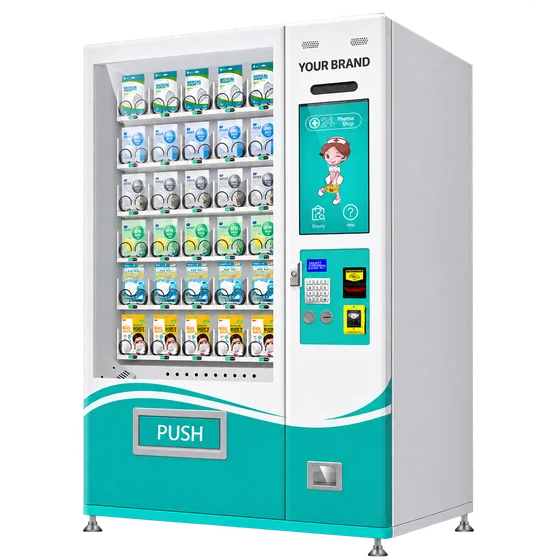
Illustrated FCV configuration. View FCV-D720-10C(22SP) PPE Vending Machine. Confirm product fit and supplied options in your quotation.
- You buy, own and operate the machine
- You keep the full proceeds after costs
- FCV supplies, installs and supports
Indicative model — the final machine is confirmed after a site survey or compatibility test.
Three vending operating options for Warehouses
Choose the equipment and responsibility split for your site. Outright purchase, a customer-stocked service plan and fully managed vending are separate commercial arrangements. Event rental is quoted separately.
Buy + Self-Operate
Pay the agreed machine price upfront, own the equipment and run the day-to-day vending operation.
- You choose and purchase products
- You manage stock, sales, customer enquiries and operating costs
- Optional installation and support are agreed separately
Your Products + FCV Service
You provide the agreed products and pay a fixed monthly fee for FCV refilling, maintenance, technical and software care within the written service scope.
- You supply products matched to the agreed configuration
- FCV handles the agreed replenishment, maintenance, technical and software care
- Equipment ownership, fees, access, response targets and exclusions are documented
FCV Fully Managed
FCV supplies and owns products, sets retail pricing and manages agreed restocking, technical and software support and customer complaints. Eligible sites can receive up to 25% of contract-defined monthly gross sales.
- Actual revenue-share rate and site eligibility are agreed in writing
- You buy the machine and own the equipment. FCV manages the agreed products, refilling, maintenance, technical and customer care. Your share of monthly gross sales is agreed in writing, depends on performance and can be up to 25%.
- Sales vary; no fixed income or payback period is guaranteed
Self-operated purchase is for warehouse managers at warehouses who want the machine — and the margin — fully under their own control. You buy and own the machine, run the stock, pricing, collection and complaints yourself, and keep the commercial proceeds after your costs. This page sets out what operating really involves at warehouses, how to choose hardware that survives long walking distances from pick zones, and the costs to plan before you commit.
What operating a machine at warehouses involves
On UAE industrial sites, vending has to survive heat, dust and shift-driven demand — machines serve large crews at predictable break times and often provide the only refreshments within walking distance of the work area. Self-operation means the weekly rhythm is yours: ordering stock, restocking around pick-zone distances and rest-area positions, keeping the machine clean, handling refunds and watching what sells. At warehouses, plan around long walking distances from pick zones from day one — it shapes everything from machine choice to when you can restock.
Your responsibilities as owner-operator
Product selection and purchasing
Choosing and buying stock — for warehouses we would expect water and quick break snacks to anchor the range.
Restocking and rotation
Keeping shelves full, rotating stock by expiry and removing slow sellers.
Pricing and collection
Setting vend prices, collecting card and cash takings and banking them.
Complaints and refunds
Handling failed vends and refund requests from users at the site.
Cleaning and basic upkeep
Keeping the machine presentable and arranging repairs when faults appear.
Choosing hardware that fits warehouses
Because long walking distances from pick zones, the machine shortlist for warehouses should be built from the site outward — dimensions, door swing, power position and service access first, capacity and features second. Tell us the constraints and we will propose tested hardware rather than a catalogue pick.
Costs to budget for
We quote the machine itself in writing; the ongoing budget is yours to plan. The main cost lines are:
Machine purchase
One-off capital cost, quoted in writing with delivery and installation options.
Opening stock
Initial fill sized to expected demand at warehouses plus a small buffer.
Payment processing
Card and cashless transaction fees on each sale.
Maintenance and repairs
Servicing and parts over the machine's life — confirm what any warranty covers in writing.
Power and stock shrinkage
Electricity for refrigeration plus expired or damaged stock write-offs.
Managed vs self-operated at a glance
Swipe or scroll sideways to compare all columns.
| Responsibility | Buy + Self-Operate | Your Products + FCV Service | FCV Fully Managed |
|---|---|---|---|
| Machine ownership | You own purchased equipment | Agreed separately | Ownership and funding agreed separately |
| Products and stocking | You purchase and restock | You provide products; FCV refills within scope | FCV supplies and refills agreed products |
| Commercial basis | Sales proceeds after operating costs | Agreed fixed monthly service fee | Eligible revenue share up to 25% of contract-defined monthly gross sales |
| Maintenance and support | You arrange; optional support quoted | FCV within agreed scope and exclusions | FCV within agreed scope and exclusions |
| Before committing | Confirm machine purchase price and costs | Agree products, fee, access and response targets | Agree actual share, eligibility, funding and site duties |
When fully managed vending makes more sense
If self-operation is not practical, consider the site constraint of long walking distances from pick zones. You can supply the products and pay an agreed fixed monthly fee for FCV refilling and technical care, or discuss fully managed vending with product supply and an eligible revenue share up to 25% of contract-defined monthly gross sales. Confirm equipment ownership, fees and responsibilities separately.
Machines commonly shortlisted for warehouses
Indicative models — the final recommendation follows a site survey and dispensing tests.


Machine guide / FCV-M072
Six-layer spring-slot cabinet and drop check
The exact D720 parameter documents six layers with ten spring slots per layer. The page separately illustrates a guarded PUSH collection opening and infrared drop inspection.
- Published slot configuration
- The matching parameter explicitly says 6 layers*10 slots spring. Lane widths and product depths still require the selected configuration.
- Collection path
- Products are delivered to the guarded lower pickup area; the source illustrates infrared drop detection.
- Check the package against the configured spring slot.
- Select and pay through the configured interface.
- The spring slot releases the product towards the lower pickup area.
- Collect through the PUSH door after delivery indication.
Frequently Asked Questions
Related Pages
Get a Self-Operated Purchase Quote
Book a site assessment for your warehouses location — we survey demand, placement and permissions and send a written proposal covering the three operating arrangements.
Project enquiry · Ownership and service terms confirmed in writing